
Numbers from 1-20

Dom Barbaj   Dom I January 02, 2026
Category
General English, Speaking Lessons
Topic
Everyday English
Media
Audio, Text
Level
A1 Beginner, A0 Absolute Beginner
Grammar
There is.../ There are...
Focus
Grammar, Speaking, Vocabulary, Listening
Lesson ID
A0A1-3
Lesson Time
45 minutes
FULL ACCESS FREE LESSONS
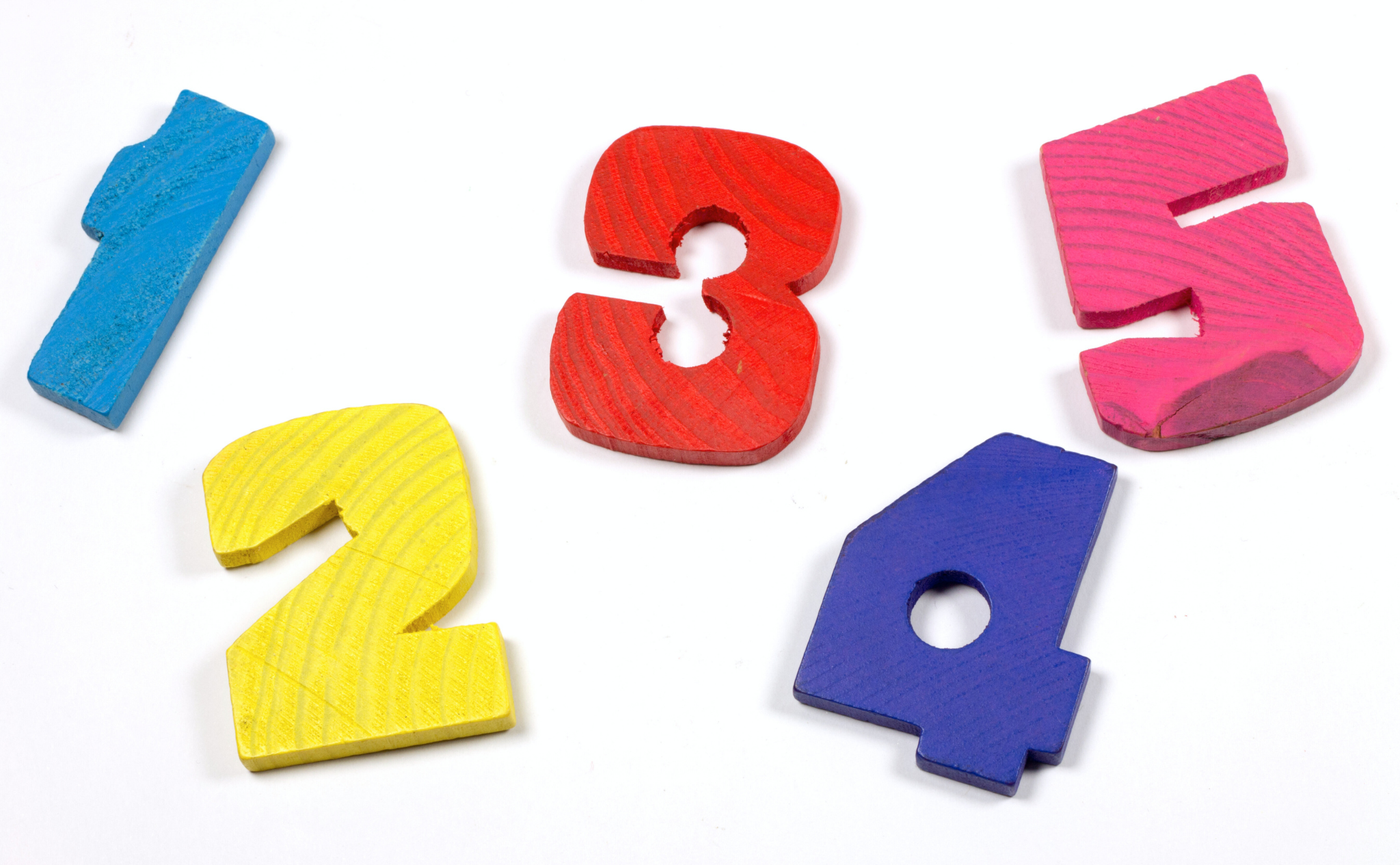
Colorful wooden numbers 2, 3, and 4 on a white background, used for learning to count.

Lesson Overview

How many apples can you count? In this lesson, students learn how to count from 1 to 20 and use numbers in short, everyday sentences. They practice asking and answering questions with “How many” and the verb “to be.” The class introduces number vocabulary, simple grammar patterns, and fun speaking tasks to help students use numbers naturally. Learners also practice counting real objects and talking about quantities. The lesson ends with a short dialogue using numbers in context.

Lesson Objectives


  • Vocabulary: Students will learn and practice numbers from 1 to 20, as well as simple nouns for countable objects (e.g., books, pens, apples). They’ll understand how to pronounce numbers clearly and use them in everyday conversations.


  • Grammar: Students will practice asking and answering questions using “How many” with the correct form of the verb “to be.” They’ll also learn to use “There is” and “There are” to describe quantities correctly.


  • Speaking: Learners will engage in short pair activities and group games to count objects and talk about how many items there are. They’ll practice using numbers naturally in everyday communication.


  • Listening: Students will listen and repeat short dialogues to recognize number pronunciation, rhythm, and stress. They’ll identify numbers and quantity expressions in simple listening tasks.


  • Homework: Homework activities will help students review and remember number vocabulary and grammar patterns. Tasks include filling in missing numbers, matching questions and answers, and writing short sentences with There is and There are.





Vocabulary and Pronunciation

one [number]: first number (not two or more)
two [number]: second number (number after one)
three [number]: third number (number after two)
four [number]: fourth number (number after three)
five [number]: fifth number (number after four)
six [number]: sixth number (number after five)
seven [number]: seventh number (number after six)
eight [number]: eighth number (number after seven)
nine [number]: ninth number (number after eight)
ten [number]: tenth number (number after nine)
eleven [number]: eleventh number (number after ten)
twelve [number]: twelfth number (number after eleven)
thirteen [number]: thirteenth number (number after twelve)
fourteen [number]: fourteenth number (number after thirteen)
fifteen [number]: fifteenth number (number after fourteen)
sixteen [number]: sixteenth number (number after fifteen)
seventeen [number]: seventeenth number (number after sixteen)
eighteen [number]: eighteenth number (number after seventeen)
nineteen [number]: nineteenth number (number after eighteen)
twenty [number]: twentieth number (number after nineteen)
Other materials you may be interested in
Loading...